


Abrasives vs. Diamond Blades: Choosing the Right Tool for the Job
Selecting the correct cutting tool is essential for achieving clean results, maintaining efficiency, and managing project costs. When working with cut-off tools or power saws, the choice generally comes down to two primary options: abrasive cutting discs and diamond blades. While both serve to cut tough materials, their construction, longevity, and ideal applications differ significantly.
Understanding Abrasive Discs
Abrasive discs are manufactured from synthetic grinding grains bonded together with resin. During operation, the disc gradually wears away, constantly shedding used material to expose fresh, sharp grains. Because of this design, abrasive discs excel at cutting through various metals, including steel tubing, structural iron, and rebar. Their primary advantage lies in their low initial cost, making them a practical choice for minor repairs or occasional metalworking. However, because the disc shrinks as it wears down, operators must replace them frequently during larger tasks, and the maximum cutting depth decreases over time.
The Advantage of Diamond Blades
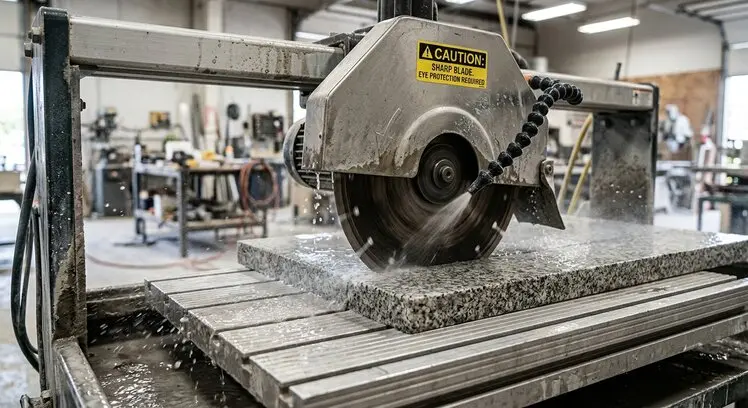
Diamond blades feature a durable steel core with industrial synthetic diamond particles embedded along the outer rim. Rather than wearing down rapidly like an abrasive disc, the steel core retains its original diameter throughout its operational life while the diamond edge grinds through material. These blades are engineered specifically for heavy masonry applications, such as concrete, brick, stone, pavers, and ceramic tile. Although diamond blades require a higher upfront investment, their long operational lifespan and consistent cutting depth make them far more cost-effective for high-volume work.
Selecting the Right Option
Determining which option to use ultimately depends on the material required for the job. For small-scale projects involving metal fabrication or pipe cutting, abrasive discs offer an economical and effective solution. Conversely, for projects requiring extensive work with concrete, tile, or masonry, investing in a diamond blade ensures cleaner cuts, higher efficiency, and greater overall value over the life of the tool.
Selecting the correct cutting tool is essential for achieving clean results, maintaining efficiency, and managing project costs. When working with cut-off tools or power saws, the choice generally comes down to two primary options: abrasive cutting discs and diamond blades. While both serve to cut tough materials, their construction, longevity, and ideal applications differ significantly.
Understanding Abrasive Discs
Abrasive discs are manufactured from synthetic grinding grains bonded together with resin. During operation, the disc gradually wears away, constantly shedding used material to expose fresh, sharp grains. Because of this design, abrasive discs excel at cutting through various metals, including steel tubing, structural iron, and rebar. Their primary advantage lies in their low initial cost, making them a practical choice for minor repairs or occasional metalworking. However, because the disc shrinks as it wears down, operators must replace them frequently during larger tasks, and the maximum cutting depth decreases over time.
The Advantage of Diamond Blades
Diamond blades feature a durable steel core with industrial synthetic diamond particles embedded along the outer rim. Rather than wearing down rapidly like an abrasive disc, the steel core retains its original diameter throughout its operational life while the diamond edge grinds through material. These blades are engineered specifically for heavy masonry applications, such as concrete, brick, stone, pavers, and ceramic tile. Although diamond blades require a higher upfront investment, their long operational lifespan and consistent cutting depth make them far more cost-effective for high-volume work.
Selecting the Right Option
Determining which option to use ultimately depends on the material required for the job. For small-scale projects involving metal fabrication or pipe cutting, abrasive discs offer an economical and effective solution. Conversely, for projects requiring extensive work with concrete, tile, or masonry, investing in a diamond blade ensures cleaner cuts, higher efficiency, and greater overall value over the life of the tool.
How To Find The Correct Solution
Material Selection and Bond Hardness
Selecting the right diamond blade begins with matching the hardness of the bond to the material you plan to cut. Diamond blades do not actually cut material; instead, they grind it away using synthetic diamond particles exposed along the rim. Hard materials like porcelain, granite, or cured concrete require a soft-bonded blade so that the metal matrix wears away at a rate that continually exposes fresh, sharp diamond particles. Conversely, highly abrasive materials such as asphalt or fresh concrete require a hard-bonded blade to prevent the metal from eroding too quickly and wasting the diamonds prematurely.
Understanding Rim Configurations
The design of the blade's rim directly influences both the speed of the cut and the smoothness of the finished edge. Segmented rims feature small gaps called gullets that help dissipate heat and flush out dust, making them the fastest option for rough cuts in concrete and brick. Continuous rims lack these gaps and are designed specifically for delicate materials like ceramic tile and glass, where clean, chip-free edges are essential. Turbo rims offer a middle ground, using a continuous edge with serrated ridges to deliver faster cutting speeds while still maintaining a relatively smooth finish.
Wet versus Dry Cutting Considerations
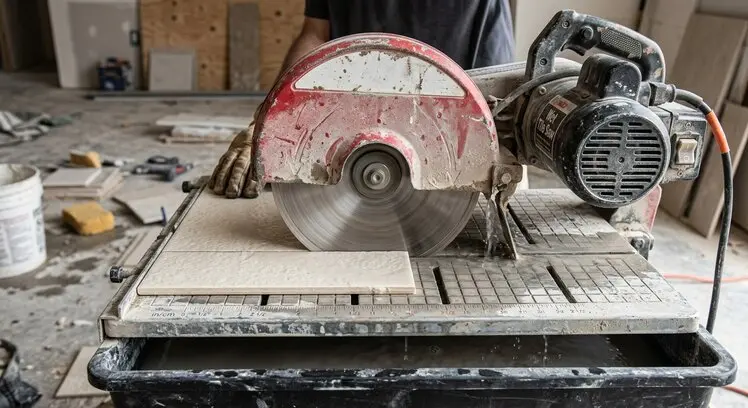
Deciding between wet and dry cutting depends on your workspace, tool type, and the material being cut. Wet cutting uses a continuous flow of water to keep the blade cool, lubricate the cut, and effectively control toxic silica dust, which significantly prolongs the overall life of the blade. Dry cutting is designed for quick, short passes where water access is unavailable or inconvenient. While dry-cutting blades can handle short cuts without liquid coolant, using them continuously without letting the blade cool down periodically can cause the steel core to warp or fail.
Power Tool Compatibility and Safety Limits
Every diamond blade must be properly matched to the physical specifications and operational limits of your power tool. The diameter of the blade and its center arbor hole must fit your saw precisely to avoid dangerous vibration or misalignment during operation. Furthermore, you must verify that the blade's maximum rated revolutions per minute (RPM) meets or exceeds the maximum operating speed of the saw itself. Exceeding a blade's recommended RPM rating can lead to blade fracture, uneven wear, or severe safety hazards on the job site.
Material Selection and Bond Hardness
Selecting the right diamond blade begins with matching the hardness of the bond to the material you plan to cut. Diamond blades do not actually cut material; instead, they grind it away using synthetic diamond particles exposed along the rim. Hard materials like porcelain, granite, or cured concrete require a soft-bonded blade so that the metal matrix wears away at a rate that continually exposes fresh, sharp diamond particles. Conversely, highly abrasive materials such as asphalt or fresh concrete require a hard-bonded blade to prevent the metal from eroding too quickly and wasting the diamonds prematurely.
Understanding Rim Configurations
The design of the blade's rim directly influences both the speed of the cut and the smoothness of the finished edge. Segmented rims feature small gaps called gullets that help dissipate heat and flush out dust, making them the fastest option for rough cuts in concrete and brick. Continuous rims lack these gaps and are designed specifically for delicate materials like ceramic tile and glass, where clean, chip-free edges are essential. Turbo rims offer a middle ground, using a continuous edge with serrated ridges to deliver faster cutting speeds while still maintaining a relatively smooth finish.
Wet versus Dry Cutting Considerations
Deciding between wet and dry cutting depends on your workspace, tool type, and the material being cut. Wet cutting uses a continuous flow of water to keep the blade cool, lubricate the cut, and effectively control toxic silica dust, which significantly prolongs the overall life of the blade. Dry cutting is designed for quick, short passes where water access is unavailable or inconvenient. While dry-cutting blades can handle short cuts without liquid coolant, using them continuously without letting the blade cool down periodically can cause the steel core to warp or fail.
Power Tool Compatibility and Safety Limits
Every diamond blade must be properly matched to the physical specifications and operational limits of your power tool. The diameter of the blade and its center arbor hole must fit your saw precisely to avoid dangerous vibration or misalignment during operation. Furthermore, you must verify that the blade's maximum rated revolutions per minute (RPM) meets or exceeds the maximum operating speed of the saw itself. Exceeding a blade's recommended RPM rating can lead to blade fracture, uneven wear, or severe safety hazards on the job site.
Drill Bit Selection Guide for Brick, Concrete, and Steel
Choosing the wrong drill bit for a job can ruin your material, dull your bit in seconds, or even damage your power tools. Whether you are anchoring brackets into a brick wall, boring holes through reinforced concrete, or drilling clean holes into structural steel, using the correct bit is essential for a fast, clean, and safe finish.
Understanding the differences between standard masonry, SDS, and HSS drill bits ensures you always match the right bit to the right material.
Standard Masonry Bits: Ideal for Brick, Block, and Light Stone
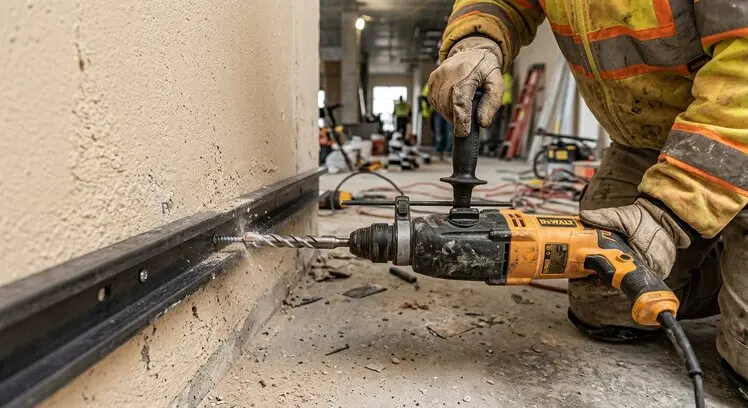
Standard masonry drill bits are designed specifically for drilling into lighter, non-reinforced stone and masonry materials. They feature a durable carbide tip welded onto a steel shank, which works by pulverizing stone as the drill applies pressure and rotation. These bits are typically used in standard rotary power drills or basic hammer drills equipped with a traditional three-jaw chuck.
They excel when working with standard red brick, cinder block, mortar, soft stone, and plaster. When using standard masonry bits, applying moderate, steady pressure while running the hammer function on your drill helps chip away the material efficiently without overheating the bit.
SDS Bits: Built for Reinforced Concrete and Heavy Demolition
SDS (Slotted Drive System) drill bits are engineered for high-impact, heavy-duty drilling into tough, dense materials like concrete and stone. Unlike standard smooth-shank bits, SDS bits feature specially grooved shanks that snap securely into an SDS rotary hammer drill. This slotted design allows the bit to slide back and forth like a piston, delivering maximum hammer action directly into the material without slipping in the chuck.
These bits are essential for reinforced concrete, natural stone, hard brick, and heavy masonry structures where standard bits fail. Their heavy-duty carbide tips and reinforced fluting quickly clear out pulverized dust, allowing you to bore large-diameter or deep anchor holes effortless and with minimal physical effort.
HSS Bits: The Go-To for Steel, Metals, and Hard Plastics
HSS (High-Speed Steel) bits are specifically engineered to cut through metal, wood, and hard plastics rather than pulverize stone. Made from fully hardened carbon steel, HSS bits have sharp, angled cutting edges that shave away material in long spirals. Variants like Cobalt HSS or Titanium-coated HSS are designed to handle high frictional heat when drilling through tougher metals like stainless steel or thick angle iron.
Use HSS bits whenever your job involves structural steel, sheet metal, aluminum, copper, wood, or dense plastics. When drilling through metals, run your drill at a lower speed with firm, constant pressure, and consider applying cutting fluid to prevent heat buildup and keep the bit sharp longer.
Quick Reference: Matching Your Bit to the Job
Selecting the right bit comes down to knowing your material density and drill mechanism. For soft-to-medium masonry like brick, mortar, or lightweight concrete block, reach for a standard masonry bit paired with a regular drill.
When tackling heavy concrete slabs, foundation walls, or stone masonry, rely on an SDS bit mounted inside a dedicated rotary hammer drill. For any metalwork, structural framing, or sheet metal assembly, an HSS bit is the necessary choice to cut clean, precise holes without damaging the metal.
Choosing the wrong drill bit for a job can ruin your material, dull your bit in seconds, or even damage your power tools. Whether you are anchoring brackets into a brick wall, boring holes through reinforced concrete, or drilling clean holes into structural steel, using the correct bit is essential for a fast, clean, and safe finish.
Understanding the differences between standard masonry, SDS, and HSS drill bits ensures you always match the right bit to the right material.
Standard Masonry Bits: Ideal for Brick, Block, and Light Stone
Standard masonry drill bits are designed specifically for drilling into lighter, non-reinforced stone and masonry materials. They feature a durable carbide tip welded onto a steel shank, which works by pulverizing stone as the drill applies pressure and rotation. These bits are typically used in standard rotary power drills or basic hammer drills equipped with a traditional three-jaw chuck.
They excel when working with standard red brick, cinder block, mortar, soft stone, and plaster. When using standard masonry bits, applying moderate, steady pressure while running the hammer function on your drill helps chip away the material efficiently without overheating the bit.
SDS Bits: Built for Reinforced Concrete and Heavy Demolition
SDS (Slotted Drive System) drill bits are engineered for high-impact, heavy-duty drilling into tough, dense materials like concrete and stone. Unlike standard smooth-shank bits, SDS bits feature specially grooved shanks that snap securely into an SDS rotary hammer drill. This slotted design allows the bit to slide back and forth like a piston, delivering maximum hammer action directly into the material without slipping in the chuck.
These bits are essential for reinforced concrete, natural stone, hard brick, and heavy masonry structures where standard bits fail. Their heavy-duty carbide tips and reinforced fluting quickly clear out pulverized dust, allowing you to bore large-diameter or deep anchor holes effortless and with minimal physical effort.
HSS Bits: The Go-To for Steel, Metals, and Hard Plastics
HSS (High-Speed Steel) bits are specifically engineered to cut through metal, wood, and hard plastics rather than pulverize stone. Made from fully hardened carbon steel, HSS bits have sharp, angled cutting edges that shave away material in long spirals. Variants like Cobalt HSS or Titanium-coated HSS are designed to handle high frictional heat when drilling through tougher metals like stainless steel or thick angle iron.
Use HSS bits whenever your job involves structural steel, sheet metal, aluminum, copper, wood, or dense plastics. When drilling through metals, run your drill at a lower speed with firm, constant pressure, and consider applying cutting fluid to prevent heat buildup and keep the bit sharp longer.
Quick Reference: Matching Your Bit to the Job
Selecting the right bit comes down to knowing your material density and drill mechanism. For soft-to-medium masonry like brick, mortar, or lightweight concrete block, reach for a standard masonry bit paired with a regular drill.
When tackling heavy concrete slabs, foundation walls, or stone masonry, rely on an SDS bit mounted inside a dedicated rotary hammer drill. For any metalwork, structural framing, or sheet metal assembly, an HSS bit is the necessary choice to cut clean, precise holes without damaging the metal.