


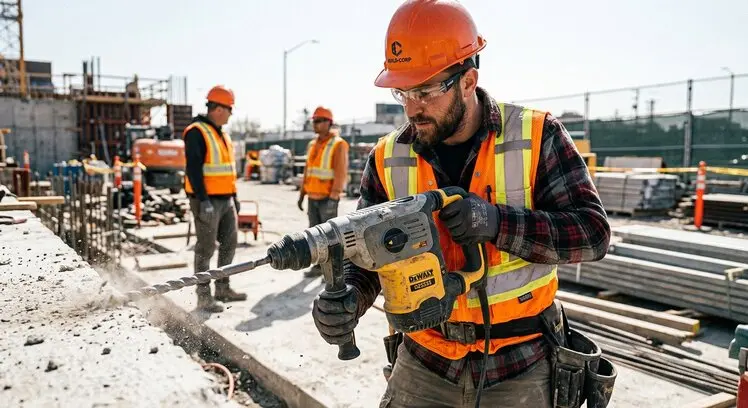
Setting Up a Safe and Efficient Site Power Supply
Choosing the Right Voltage and Transformers
Establishing a reliable job site power supply starts with matching your transformers to the requirements of your tools and local safety standards. On construction sites, reduced low voltage systems—such as 110V step-down transformers—are standard to minimize shock hazards. When selecting a transformer, calculate the total wattage of all tools connected simultaneously to ensure the continuous rating of the transformer can comfortably handle the load without overheating or causing voltage drops that degrade tool performance.
Extension Lead Length and Cable Gauge
Using extension leads of appropriate length and conductor thickness is crucial for delivering steady electrical current. Overly long or thin cables increase electrical resistance, causing a drop in voltage that forces power tools to draw extra current, overheat, and risk motor burnout. Always choose heavy-duty leads with thick copper wire gauges suitable for high-draw equipment, and keep cable runs as direct and concise as possible to ensure maximum efficiency and tool longevity.
Proper Cable Reel Usage and Heat Dissipation
Cable reels are convenient for extending power across long distances, but they must be operated correctly to prevent electrical fires. Leaving a heavy power load running through a fully coiled cable reel creates an induction loop that traps heat, melting the rubber insulation and damaging the wiring. Always fully uncoil the entire length of the cable reel before powering on high-amperage tools, and ensure the reel is equipped with built-in thermal overload protection.
Moisture Protection and Physical Cable Care
Job site electrical connections are exposed to harsh conditions including foot traffic, sharp materials, dust, and water. Select extension leads and transformers rated with high Ingress Protection (IP) codes to shield against moisture and dust ingress, particularly during outdoor operations. Position cables away from walkways and high-traffic vehicle areas to prevent crushing, and regularly inspect plugs, outer sheathing, and socket enclosures for physical wear before plugging in any equipment.
Choosing the Right Voltage and Transformers
Establishing a reliable job site power supply starts with matching your transformers to the requirements of your tools and local safety standards. On construction sites, reduced low voltage systems—such as 110V step-down transformers—are standard to minimize shock hazards. When selecting a transformer, calculate the total wattage of all tools connected simultaneously to ensure the continuous rating of the transformer can comfortably handle the load without overheating or causing voltage drops that degrade tool performance.
Extension Lead Length and Cable Gauge
Using extension leads of appropriate length and conductor thickness is crucial for delivering steady electrical current. Overly long or thin cables increase electrical resistance, causing a drop in voltage that forces power tools to draw extra current, overheat, and risk motor burnout. Always choose heavy-duty leads with thick copper wire gauges suitable for high-draw equipment, and keep cable runs as direct and concise as possible to ensure maximum efficiency and tool longevity.
Proper Cable Reel Usage and Heat Dissipation
Cable reels are convenient for extending power across long distances, but they must be operated correctly to prevent electrical fires. Leaving a heavy power load running through a fully coiled cable reel creates an induction loop that traps heat, melting the rubber insulation and damaging the wiring. Always fully uncoil the entire length of the cable reel before powering on high-amperage tools, and ensure the reel is equipped with built-in thermal overload protection.
Moisture Protection and Physical Cable Care
Job site electrical connections are exposed to harsh conditions including foot traffic, sharp materials, dust, and water. Select extension leads and transformers rated with high Ingress Protection (IP) codes to shield against moisture and dust ingress, particularly during outdoor operations. Position cables away from walkways and high-traffic vehicle areas to prevent crushing, and regularly inspect plugs, outer sheathing, and socket enclosures for physical wear before plugging in any equipment.
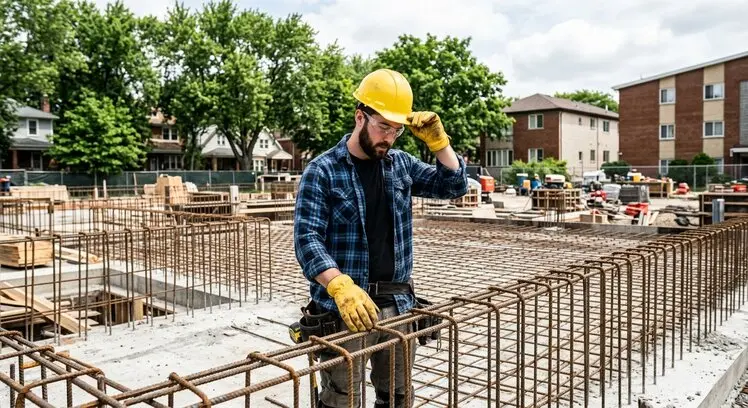
Essential PPE Checklist for Small Building Sites
Running a small job site means keeping your team productive, on schedule, and—above all—safe. Unlike large commercial sites with dedicated safety officers, small contractors often have to wear multiple hats, including site safety manager. Having a well-stocked inventory of Personal Protective Equipment (PPE) isn't just about compliance; it’s about making sure everyone goes home healthy at the end of the day.
Here is your straightforward checklist of essential gear every small contractor should keep on site.
Hand Protection: Gloves for Every Task
Your hands are your primary tools, making them the most exposed to cuts, chemical burns, and impact injuries. Because a single pair of standard gloves won't cover every trade task, keeping a varied inventory on hand is critical. Heavy-duty leather or work gloves are essential for handling rough lumber, rebar, masonry, and heavy materials to prevent splinters, abrasions, and cuts. For sharper materials like sheet metal, glass, or when using utility knives, crew members need dedicated cut-resistant gloves. When mixing concrete, applying sealants, or working with solvents and adhesives, chemical-resistant nitrile gloves are mandatory to prevent chemical burns and skin irritation. Finally, don't forget insulated, cold-weather gloves to keep hands warm and functional during winter or outdoor projects.
Eye & Face Protection: Keeping Your Vision Clear
Flying debris, wood dust, spark splatters, and chemical splashes can cause permanent damage in a fraction of a second. Standard ANSI-approved safety glasses are the baseline requirement for any active site, so keep plenty of clear lenses for indoor work and tinted options for bright outdoor daylight. When tasks involve high-dust environments like drywall sanding or concrete grinding, crew members should switch to direct-vent or sealed safety goggles to block micro-particles. For high-powered tools, angle grinders, or heavy demolition work, full-face shields must be worn directly over safety glasses to protect the entire face from high-velocity flying fragments.
Respiratory Protection: Protecting Your Lungs
Inhaling fine dust, crystalline silica, or toxic fumes can lead to serious long-term respiratory issues, which means a generic dust mask won't fit every job. Disposable N95 or FFP2 dust masks work fine for basic, non-toxic dust protection during light sweep-ups or wood sanding. However, cutting concrete, brick, tile, or masonry releases dangerous silica dust, requiring half-mask reusable respirators equipped with proper P3 or P100 filters. For tasks involving paint spraying, heavy solvents, or working with strong epoxy resins, make sure to stock chemical vapor cartridge attachments that clip right into those reusable masks.
Head & Hearing Protection: Standard Defense
Head and ear injuries can be sudden and debilitating, so proper overhead and noise defense should be non-negotiable from day one. Type 1 hard hats protect against top-of-head impacts from falling objects or low overhead clearances, so always keep extra unexpired units on site. For hearing defense, lightweight foam or flanged earplugs are easy to stock in bulk for routine noise from power saws, hammers, and general machinery. For operators running prolonged high-decibel equipment like jackhammers or heavy saws, keep heavy-duty cap-mounted or over-head earmuffs available to prevent permanent hearing loss.
Footwear & High-Visibility Clothing
Being seen and staying firmly grounded prevents the majority of common slip, trip, and crush accidents on a busy site. Steel-toe or composite-toe work boots with puncture-resistant soles and strong ankle support are necessary to protect against falling heavy items and exposed nails. To ensure workers are easily spotted by equipment operators, delivery drivers, and passing traffic, every site should supply Class 2 or Class 3 high-visibility vests or jackets. When the weather turns, weather-appropriate high-vis rain gear keeps workers completely dry without compromising their visibility or safety standards.
Keeping Your Site Ready
Having PPE on site is only half the battle—it needs to be accessible and well-maintained. Set up a central, dry safety station on your job site loaded with extra glasses, earplugs, gloves, and mask replacements. Take time to regularly inspect equipment for wear and tear, and replace damaged gear immediately. Investing in good, readily available PPE is always cheaper than a trip to the emergency room or lost project days.
Running a small job site means keeping your team productive, on schedule, and—above all—safe. Unlike large commercial sites with dedicated safety officers, small contractors often have to wear multiple hats, including site safety manager. Having a well-stocked inventory of Personal Protective Equipment (PPE) isn't just about compliance; it’s about making sure everyone goes home healthy at the end of the day.
Here is your straightforward checklist of essential gear every small contractor should keep on site.
Hand Protection: Gloves for Every Task
Your hands are your primary tools, making them the most exposed to cuts, chemical burns, and impact injuries. Because a single pair of standard gloves won't cover every trade task, keeping a varied inventory on hand is critical. Heavy-duty leather or work gloves are essential for handling rough lumber, rebar, masonry, and heavy materials to prevent splinters, abrasions, and cuts. For sharper materials like sheet metal, glass, or when using utility knives, crew members need dedicated cut-resistant gloves. When mixing concrete, applying sealants, or working with solvents and adhesives, chemical-resistant nitrile gloves are mandatory to prevent chemical burns and skin irritation. Finally, don't forget insulated, cold-weather gloves to keep hands warm and functional during winter or outdoor projects.
Eye & Face Protection: Keeping Your Vision Clear
Flying debris, wood dust, spark splatters, and chemical splashes can cause permanent damage in a fraction of a second. Standard ANSI-approved safety glasses are the baseline requirement for any active site, so keep plenty of clear lenses for indoor work and tinted options for bright outdoor daylight. When tasks involve high-dust environments like drywall sanding or concrete grinding, crew members should switch to direct-vent or sealed safety goggles to block micro-particles. For high-powered tools, angle grinders, or heavy demolition work, full-face shields must be worn directly over safety glasses to protect the entire face from high-velocity flying fragments.
Respiratory Protection: Protecting Your Lungs
Inhaling fine dust, crystalline silica, or toxic fumes can lead to serious long-term respiratory issues, which means a generic dust mask won't fit every job. Disposable N95 or FFP2 dust masks work fine for basic, non-toxic dust protection during light sweep-ups or wood sanding. However, cutting concrete, brick, tile, or masonry releases dangerous silica dust, requiring half-mask reusable respirators equipped with proper P3 or P100 filters. For tasks involving paint spraying, heavy solvents, or working with strong epoxy resins, make sure to stock chemical vapor cartridge attachments that clip right into those reusable masks.
Head & Hearing Protection: Standard Defense
Head and ear injuries can be sudden and debilitating, so proper overhead and noise defense should be non-negotiable from day one. Type 1 hard hats protect against top-of-head impacts from falling objects or low overhead clearances, so always keep extra unexpired units on site. For hearing defense, lightweight foam or flanged earplugs are easy to stock in bulk for routine noise from power saws, hammers, and general machinery. For operators running prolonged high-decibel equipment like jackhammers or heavy saws, keep heavy-duty cap-mounted or over-head earmuffs available to prevent permanent hearing loss.
Footwear & High-Visibility Clothing
Being seen and staying firmly grounded prevents the majority of common slip, trip, and crush accidents on a busy site. Steel-toe or composite-toe work boots with puncture-resistant soles and strong ankle support are necessary to protect against falling heavy items and exposed nails. To ensure workers are easily spotted by equipment operators, delivery drivers, and passing traffic, every site should supply Class 2 or Class 3 high-visibility vests or jackets. When the weather turns, weather-appropriate high-vis rain gear keeps workers completely dry without compromising their visibility or safety standards.
Keeping Your Site Ready
Having PPE on site is only half the battle—it needs to be accessible and well-maintained. Set up a central, dry safety station on your job site loaded with extra glasses, earplugs, gloves, and mask replacements. Take time to regularly inspect equipment for wear and tear, and replace damaged gear immediately. Investing in good, readily available PPE is always cheaper than a trip to the emergency room or lost project days.